How I Cleared the Air at Home and Finally Started My Fitness Journey
I used to feel sluggish every morning, no matter how much I slept. It wasn’t until I noticed how stuffy my apartment felt that I connected my low energy to my indoor environment. After cleaning the air and rearranging my space, something unexpected happened—I actually wanted to move. This simple shift didn’t just improve my breathing; it sparked a consistent exercise habit I’d struggled with for years. What began as a small effort to reduce dust and open a window each day grew into a transformation that touched every part of my life. I didn’t change my willpower—I changed my surroundings. And in doing so, I discovered that lasting fitness doesn’t start with a gym membership or a strict diet. It starts at home, in the very air we breathe and the space we inhabit.
The Hidden Link Between Environment and Energy
Many people assume that low energy and lack of motivation are personal failures—signs of laziness or poor discipline. But science increasingly shows that our physical surroundings play a powerful role in how we feel and act. Indoor air quality, lighting, clutter, and even room layout can silently influence our energy levels, mood, and willingness to be active. A home filled with dust, mold, or chemical off-gassing from furniture and cleaning products can contribute to fatigue, headaches, and difficulty concentrating. These subtle stressors may not feel like illness, but they create a constant background drain on the body’s resources.
Researchers have found that poor ventilation leads to elevated levels of carbon dioxide and volatile organic compounds (VOCs), which can impair cognitive function and reduce alertness. In one study conducted by the Harvard T.H. Chan School of Public Health, office workers in well-ventilated, low-VOC environments scored significantly higher on decision-making tests than those in conventional, poorly ventilated buildings. While the study focused on workplaces, the same principles apply at home. When your brain isn’t working efficiently, the idea of exercising feels even more daunting. The environment becomes an invisible barrier to movement.
Clutter adds another layer of mental fatigue. A cluttered space can overwhelm the brain’s ability to focus and process information, increasing cortisol levels—the hormone associated with stress. This chronic low-grade stress can suppress motivation and make routine tasks, including physical activity, feel exhausting before they even begin. On the other hand, clean, open, and well-organized spaces send signals of calm and order to the brain. These signals don’t just improve mood—they create a psychological readiness for action. When your surroundings feel manageable, so does the idea of taking small steps toward better health.
My “Before” Reality: Stuck, Tired, and Unmotivated
For years, I lived in a small two-bedroom apartment that felt more like a storage unit than a home. Boxes of old clothes, stacks of unread books, and kitchen gadgets I never used cluttered every corner. The air often smelled faintly of dust and stale coffee, especially in the winter when I kept the windows shut. I’d wake up each morning with a dull headache, my throat scratchy, and my mind foggy. I told myself it was just aging, or stress, or not sleeping well enough. I tried every fitness trend I read about—30-day challenges, home workout videos, even signing up for a gym I never visited. Each attempt lasted a week, maybe two, before I gave up, convinced I lacked the discipline to change.
My daily routine was predictable: I’d roll out of bed, check my phone, make coffee, and settle onto the couch with my laptop. By midday, I’d feel too drained to do anything more than shuffle to the kitchen for a snack. Exercise felt like a chore I had to force myself into, something that required too much energy I didn’t have. I didn’t hate the idea of being active—I wanted to feel strong and energized—but every time I tried, my body resisted. I blamed myself. I didn’t realize that my environment was working against me, sapping my vitality before my day even began.
What I didn’t understand then was that motivation isn’t something you summon from willpower alone. It’s something that grows under the right conditions. Just as a plant won’t thrive in poor soil, no matter how much you water it, a person won’t feel driven to move if their surroundings are draining and disordered. My apartment wasn’t just messy—it was actively discouraging movement. The furniture blocked pathways, the lighting was dim, and the air was heavy. My body was responding exactly as it should: by conserving energy. I wasn’t lazy. I was surviving in an environment that made wellness nearly impossible.
First Step: Cleaning the Air Without Expensive Gadgets
The first real change began with something simple: I opened the windows. Every morning, no matter the weather, I cracked them open for at least 15 minutes. At first, I did it to let out cooking smells, but I quickly noticed a difference. The air felt fresher, lighter. My headaches became less frequent. I wasn’t using any special equipment—just the natural flow of outdoor air to refresh the indoor space. This small act introduced me to the idea that air quality matters, not just for allergies, but for overall energy and mental clarity.
I learned that common household items release VOCs—chemicals that evaporate into the air and can affect health over time. Things like air fresheners, scented candles, synthetic carpets, and even some furniture emit these compounds. I started replacing chemical cleaners with vinegar, baking soda, and castile soap. I stopped using aerosol sprays and switched to essential oils only when necessary, diffusing them sparingly. I also introduced a few houseplants known for their air-purifying qualities, like snake plants and peace lilies. NASA’s Clean Air Study found that certain plants can help remove indoor pollutants, though they aren’t a complete solution. Still, they added a touch of green and life to my space, which lifted my mood.
Another key step was reducing dust. I washed bedding weekly in hot water to minimize dust mites, vacuumed with a HEPA filter, and dusted surfaces with a damp cloth instead of a dry one, which just stirs particles into the air. I decluttered shelves and closets, removing items that collected dust but weren’t used. These actions didn’t require money or special skills—just consistency. Over time, I could breathe more deeply. My throat no longer felt irritated upon waking. I didn’t realize it then, but I was creating the physical conditions for energy to return. Clean air doesn’t just protect the lungs; it supports the brain, the immune system, and the body’s ability to engage in physical activity.
Rearranging Space to Invite Movement
Once the air felt better, I turned my attention to the layout of my home. I realized how much the furniture blocked natural movement. The living room, for example, was arranged around the TV, with chairs facing forward and a large coffee table in the center. To walk across the room, I had to go around obstacles. There was no open floor space. I decided to rearrange it, pulling the furniture to the sides and clearing a three-foot-wide area in the middle. At first, it felt strange—like I was living in a half-moved apartment—but within days, I noticed I was stretching more. I’d stand in that open space while brushing my teeth or waiting for the kettle to boil and find myself doing a few shoulder rolls or gentle lunges.
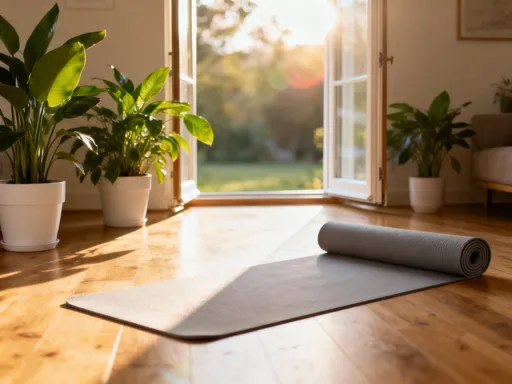
That small zone became my unintentional movement corner. I added a thin yoga mat that stayed unrolled, signaling that the space was meant for activity, not just watching TV. I moved a small shelf away from the bedroom wall, creating a spot where I could do morning stretches without squeezing between furniture. These changes weren’t about creating a home gym—they were about removing barriers to natural movement. When space invites motion, even small actions become more likely. Scientists call this “behavioral nudging,” where the environment subtly encourages healthier choices without force or effort.
Decluttering played a major role, too. I donated clothes I hadn’t worn in a year, recycled old papers, and organized kitchen drawers. The process wasn’t fast, but each cleared surface brought a sense of calm. A study from Princeton University found that visual clutter competes for attention, reducing focus and increasing stress. With fewer distractions, my mind felt quieter. I stopped feeling overwhelmed by my surroundings, and that mental clarity spilled over into other areas. I began to think, If I can manage my space, maybe I can manage my health, too. The home wasn’t just cleaner—it felt more supportive, like it was finally on my side.
From Still to Moving: How a Better Environment Sparked My Exercise Habit
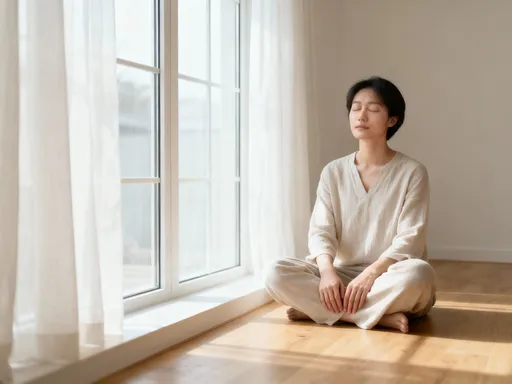
The shift didn’t happen overnight, but about three weeks after I started improving my environment, something changed. One morning, after opening the windows and folding my yoga mat that had been out all night, I stood in the cleared space and simply started moving. I raised my arms, bent my knees, and flowed into a few gentle stretches. It wasn’t planned. I wasn’t following a video. It just felt natural. That day, I spent ten minutes moving—nothing intense, just stretching, marching in place, and a few modified squats. The next day, I did it again. And the day after that.
I realized that my new environment had lowered the barrier to entry. Exercise no longer meant changing clothes, driving to a gym, or committing to an hour-long routine. It meant using the space I already had, for just a few minutes. I created a simple 10-minute routine: five minutes of stretching, three minutes of light cardio (like marching or step touches), and two minutes of strength exercises using my body weight. I did it barefoot, in my regular clothes, often right after making tea. The key was consistency, not intensity. I wasn’t trying to burn calories—I was retraining my body to enjoy movement.
What surprised me most was how the improved air and open space made exercise feel less like a chore and more like a reward. I could breathe deeply during stretches. I didn’t feel lightheaded or fatigued. My mind stayed clear. Over time, those 10 minutes grew into 15, then 20. I started taking short walks after dinner, something I’d avoided for years because I felt too tired. But now, with better sleep and more energy, walking felt pleasant, even enjoyable. My environment hadn’t just made exercise possible—it had made it desirable.
The Ripple Effect: Better Sleep, More Motivation, Real Progress
One of the earliest and most noticeable changes was in my sleep. Within two weeks of improving air quality and reducing clutter, I was falling asleep faster and waking up feeling more refreshed. I didn’t track my sleep cycles, but I could feel the difference. I no longer woke up with a dry throat or stuffy nose. The room felt calmer, quieter, more peaceful. Research shows that clean air and reduced environmental stressors contribute to deeper, more restorative sleep. And when you sleep better, your energy during the day improves naturally.
With more energy came greater motivation. Small wins built momentum. I had stuck with my 10-minute routine for over a week—that was a first. I felt proud. That pride encouraged me to try other healthy habits. I started drinking more water, taking the stairs instead of the elevator, and adding short walks to my daily routine. I didn’t force any of it. These changes emerged organically because I felt capable. My body wasn’t fighting against poor air or clutter anymore. It had the resources to respond to new habits.
After four weeks, I noticed real physical changes. My clothes fit differently. I could walk up a flight of stairs without getting winded. My posture improved from daily stretching. But more importantly, my mindset shifted. I no longer saw fitness as a punishment or a distant goal. It became part of my daily rhythm, woven into the fabric of my home life. I wasn’t chasing a number on the scale—I was building a life where movement felt normal, even natural. The progress wasn’t dramatic, but it was sustainable. And that made all the difference.
Why This Works for Beginners—and How You Can Start Today
This journey taught me that fitness doesn’t begin with exercise. It begins with the conditions that make exercise possible. For years, I tried to change my behavior without changing my environment—and I failed. But when I improved the air I breathed and the space I lived in, everything else became easier. You don’t need motivation to start moving if your home invites movement. You don’t need discipline to breathe clean air if you’ve made it a daily habit to open the windows. Wellness is not just about what you do—it’s about the world you create around you.
If you’re feeling stuck, tired, or unmotivated, consider this: your environment might be the missing piece. You don’t need a renovation or expensive equipment. Start small. Here’s a simple 7-day starter plan to help you begin:
Day 1: Open your windows for 10 minutes in the morning and evening. Let fresh air circulate.
Day 2: Replace one chemical cleaner with a natural alternative, like vinegar and water.
Day 3: Clear one flat surface—your nightstand, kitchen counter, or desk—of clutter.
Day 4: Move one piece of furniture to create a small open space in a room you use often.
Day 5: Place a yoga mat or towel on the floor in that space and leave it there.
Day 6: Spend 5 minutes stretching in your new space, barefoot and breathing deeply.
Day 7: Repeat the stretch and add 3 minutes of light movement, like marching or arm circles.
Each step takes less than 10 minutes. Each one builds on the last. By the end of the week, you’ll have created the physical and psychological conditions for movement to begin. You’ll have clearer air, less clutter, and a space that says, You belong here. You can move here. You can grow here.
True wellness isn’t just about workouts or diets—it’s about shaping a living space that supports movement naturally. By improving my environment first, I didn’t just breathe better; I lived better. And from that, everything else—including exercise—finally clicked.