Why Flexibility Is the Hidden Signal of How Well Your Body’s Really Doing
You don’t need to be a yogi to notice when your body starts feeling stiff. I didn’t either—until I realized my tight shoulders and sore hips weren’t just from aging. They were warning signs. Flexibility isn’t just about touching your toes; it’s a real health indicator, reflecting joint health, muscle balance, and even stress levels. Over time, I tested small daily changes and saw noticeable improvements. This is what I learned about how staying supple can reveal—and boost—your overall well-being.
The Body’s Whisper: What Stiffness Is Actually Telling You
Stiffness often creeps in so gradually that it’s easy to dismiss. You might notice it when reaching for the seatbelt in the car, bending down to pick up a dropped spoon, or trying to scratch an itch between your shoulder blades. These small moments reveal more than inconvenience—they signal changes happening beneath the surface. Reduced flexibility is not simply a natural part of getting older; it is frequently a reflection of how we move, or don’t move, throughout the day. When joints lose their full range of motion and muscles shorten from disuse, the body compensates in ways that can lead to discomfort, imbalance, and even injury over time.
One of the most common misconceptions is that stiffness equals age. While it’s true that connective tissues tend to lose some elasticity with time, research shows that lifestyle plays a far greater role than chronological years. People in their 70s who stay physically active often outperform sedentary individuals in their 40s on flexibility tests. The real culprit behind stiffness is often inactivity. Sitting for long hours, especially with poor posture, causes certain muscles to tighten while others weaken. The hip flexors shorten from being in a bent position all day, while the glutes become underused. This imbalance pulls the pelvis out of alignment, leading to lower back strain and restricted movement.
Moreover, stiffness can be an early warning sign of systemic issues. Poor circulation, chronic inflammation, and dehydration all affect muscle and joint function. When blood flow is reduced, tissues receive fewer nutrients and oxygen, slowing recovery and increasing stiffness. Inflammatory conditions, even low-grade ones linked to diet or stress, can cause connective tissues to become less pliable. Dehydration impacts the viscosity of synovial fluid, the lubricant inside joints, making movement feel grindy or restricted. Recognizing stiffness as more than just a nuisance allows individuals to address it proactively, before it leads to more serious mobility challenges.
Beyond Stretching: Why Flexibility Is More Than a Fitness Trend
Few people think of flexibility as a vital sign, yet it functions much like blood pressure or resting heart rate—subtle indicators of how well the body is operating internally. Just as high blood pressure can exist without symptoms, poor flexibility can go unnoticed until it affects daily function. Unlike strength or endurance, which are often measured during workouts, flexibility is usually assessed only when it’s already compromised. But when monitored consistently, it provides valuable feedback about musculoskeletal health, nervous system regulation, and overall physical resilience.
Flexibility reflects more than just muscle length. It involves the health of tendons, ligaments, joint capsules, and the fascial network—the web of connective tissue that surrounds and supports muscles and organs. When these structures remain supple, movement is efficient, joints are protected, and energy is conserved. Conversely, when they become rigid, the body must work harder to perform basic tasks. This increased effort can lead to fatigue, joint wear, and a higher risk of strain. Think of a well-oiled hinge versus one that’s rusted—both can open a door, but one does so smoothly, the other with resistance and strain.
The nervous system also plays a critical role in flexibility. Muscles don’t stretch based solely on their physical properties; they respond to signals from the brain and spinal cord. When the nervous system perceives threat—whether from past injury, poor posture, or chronic stress—it can limit range of motion as a protective mechanism. This means that even if the muscle is physically capable of lengthening, the body may resist stretching due to neural tension. This is why flexibility training must include not just physical movement but also nervous system regulation through mindful, controlled motion.
Viewing flexibility as a core component of health shifts the focus from performance to function. It’s not about achieving perfect splits or advanced yoga poses. It’s about being able to move freely, without pain or restriction, through the motions of daily life. Whether lifting a grandchild, gardening, or simply getting out of a chair, the ability to move with ease is fundamental to independence and quality of life. By treating flexibility as a health metric, individuals can take proactive steps to maintain it, just as they would monitor their diet or blood sugar.
The Science of Suppleness: How Your Body Maintains Range of Motion
Understanding flexibility begins with understanding the body’s structural components. Muscles, joints, and connective tissues all contribute to how far and how easily we can move. Muscle elasticity—the ability of muscle fibers to stretch and return to their original length—is influenced by hydration, activity level, and age. But muscles don’t work in isolation. They are surrounded and interconnected by fascia, a continuous, three-dimensional web of collagen and elastin fibers that supports and stabilizes the entire musculoskeletal system. When fascia is healthy, it allows smooth gliding between tissues. When it becomes dehydrated or restricted, movement feels tight and restricted.
Joints themselves also play a crucial role. Each joint is enclosed in a capsule filled with synovial fluid, which nourishes cartilage and reduces friction during movement. This fluid is distributed through motion—specifically, through compression and release, like squeezing and releasing a sponge. When joints remain immobile for long periods, fluid exchange slows, leading to stiffness and decreased nutrient delivery. This is why people often feel stiffest after sitting for hours, even if they exercised earlier in the day. The joints have simply gone without their natural lubrication cycle.
Connective tissue remodeling is another key process. Unlike muscle, which responds quickly to exercise, connective tissues such as tendons and ligaments adapt more slowly. They require consistent, gentle loading to maintain strength and elasticity. Without regular movement, these tissues become stiffer and less resilient. Studies have shown that even short bouts of daily motion—such as standing up, walking, or gentle stretching—can stimulate collagen production and improve tissue quality over time. This is why consistency matters more than intensity when it comes to maintaining flexibility.
The role of movement in tissue health cannot be overstated. The body operates on a “use it or lose it” principle. When a joint or muscle isn’t used through its full range, the nervous system begins to treat that range as unnecessary. Over time, the brain may stop sending signals to activate muscles at the extremes of motion, effectively “forgetting” how to access them. This neurological adaptation is one reason why people who sit for most of the day may struggle to squat or lunge, even if they have no structural injury. Reintroducing full-range movement, even in small amounts, helps re-educate the nervous system and preserve functional mobility.
Silent Stress: The Link Between Tension and Mental Load
Physical stiffness and emotional stress are more connected than many realize. The body doesn’t separate mental and physical experiences—stress registers in both the mind and the muscles. When under pressure, the nervous system activates the “fight-or-flight” response, increasing muscle tone as a preparation for action. This is helpful in short bursts, such as avoiding danger, but when stress becomes chronic, muscles remain in a state of low-level contraction. Over time, this leads to persistent tightness, especially in areas like the neck, shoulders, and lower back—common sites of stress-related tension.
Cortisol, the primary stress hormone, plays a direct role in tissue health. Chronically elevated cortisol levels can impair tissue repair, reduce collagen synthesis, and increase inflammation. This makes connective tissues less elastic and more prone to injury. Additionally, stress can alter breathing patterns, leading to shallow chest breathing instead of deep diaphragmatic breathing. This not only reduces oxygen delivery to muscles but also increases tension in the upper body, particularly in the neck and shoulders. The result is a cycle: stress causes tension, tension causes discomfort, and discomfort increases stress.
Emotional holding patterns also manifest physically. Many people unconsciously clench their jaw, hunch their shoulders, or tighten their hips when feeling anxious or overwhelmed. These postural habits, repeated over time, become ingrained in the body’s movement patterns. Even after the stressful event has passed, the body may continue to carry the tension. This is why some women report feeling “stuck” or “locked up” during busy seasons of life—juggling family, work, and household responsibilities without time to decompress.
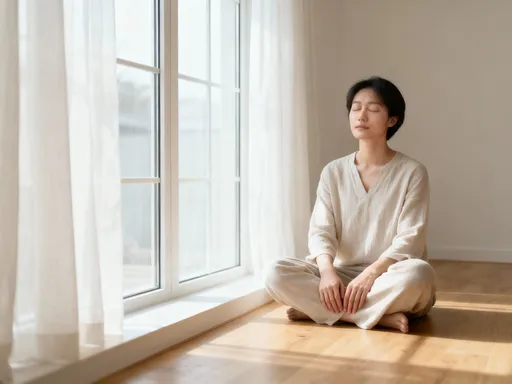
The good news is that the mind-body connection works both ways. Just as stress can create tension, mindful movement can help release it. Gentle stretching, deep breathing, and body awareness practices signal safety to the nervous system, helping to lower cortisol levels and reduce muscle tightness. Activities like tai chi, restorative yoga, or even slow walking in nature can serve as moving meditations, allowing both mind and body to reset. By addressing stress through movement, individuals can improve not only flexibility but also emotional resilience.
Simple Shifts That Actually Work: Building Flexibility Without Overhauling Your Life
One of the biggest barriers to improving flexibility is the belief that it requires hours of stretching or a complete lifestyle change. The truth is, small, consistent actions yield significant results over time. The key is integration—finding ways to incorporate movement into existing routines without adding extra time or complexity. For busy women managing households and careers, this approach is not only practical but sustainable.
Start with dynamic warm-ups in the morning. Instead of jumping straight into the day, spend five minutes moving through gentle motions: neck rolls, shoulder circles, side bends, and knee lifts. These actions increase blood flow, warm up joints, and prepare the body for movement. They also set a mindful tone for the day, helping to reduce morning stiffness and mental fog. Even doing these movements while waiting for the coffee to brew can make a difference.
Throughout the day, take micro-stretching breaks. Set a reminder every hour to stand up, reach the arms overhead, and take three deep breaths. While watching television, use commercial breaks to stretch the hamstrings, rotate the spine, or open the chest. Seated spinal twists at a desk or kitchen table can relieve lower back tension. These moments add up, providing the body with the frequent movement it needs to maintain tissue health.
Postural resets are another effective strategy. Many stiffness issues stem from prolonged poor posture—slouching at a desk, craning the neck to look at a phone, or crossing the legs while sitting. Taking a few seconds every hour to realign the spine, roll the shoulders back, and engage the core can prevent cumulative strain. Placing a small pillow behind the lower back while sitting can support the natural curve of the spine and reduce hip and back tightness.
Evening routines can include gentle static stretching. Focus on areas that feel tight: hips, hamstrings, shoulders, and neck. Hold each stretch for 30 seconds, breathing deeply and relaxing into the movement. Avoid forcing or bouncing—flexibility improves through patience, not intensity. Over time, these daily habits lead to measurable improvements in range of motion and comfort.
Tracking Progress: What to Measure Beyond the Mirror
Progress in flexibility isn’t always visible, but it is felt. Unlike weight loss or muscle gain, improvements in suppleness often show up in subtle, functional ways. The real indicators are not how far you can reach, but how easily you can move through daily life. Pay attention to signs like being able to tie your shoes without wincing, turning to check a blind spot while driving with ease, or picking up a toddler without a stiff back the next day. These moments reflect true progress.
To track changes systematically, use simple self-assessments. Try the shoulder reach test: place one hand behind your head and the other behind your back, attempting to bring the fingers closer together over time. Another test is the modified toe touch—sit on the floor with legs extended and knees slightly bent, then reach forward. Note how far you can go without straining. Repeating these checks every few weeks provides objective feedback on improvement.
Other non-aesthetic markers include better sleep, reduced aches, and increased energy. Many women report sleeping more deeply after starting a regular stretching routine, likely due to reduced muscle tension and lower stress hormones. Decreased morning stiffness and fewer episodes of lower back discomfort are also common benefits. Increased energy may result from improved circulation and more efficient movement, reducing the physical effort required for daily tasks.
Journaling can help reinforce awareness. Simply noting how the body feels each day—“hips felt loose today,” “neck tension decreased after stretching”—creates a record of progress that goes beyond numbers. This mindful tracking fosters a deeper connection to the body and encourages continued commitment.
Long-Term Payoff: How Staying Flexible Supports Healthy Aging
The benefits of flexibility extend far beyond immediate comfort. Over time, maintaining range of motion protects independence and supports active living. As people age, the risk of falls increases, often due to reduced balance, weakened muscles, and limited joint mobility. Flexible joints and supple muscles allow for quicker adjustments to uneven surfaces, helping to prevent trips and falls. The ability to move freely also reduces reliance on others for daily tasks, preserving dignity and autonomy.
Joint health is another long-term advantage. Flexible connective tissues experience less wear and tear, reducing the risk of degenerative conditions like osteoarthritis. Proper movement ensures that joints receive adequate nourishment through synovial fluid exchange, keeping cartilage healthy and resilient. This is especially important for weight-bearing joints like the knees and hips, which endure constant use over a lifetime.
Maintaining flexibility also supports cardiovascular and metabolic health. Studies have linked poor trunk flexibility with stiffer arteries, suggesting a connection between musculoskeletal suppleness and vascular elasticity. While the exact mechanisms are still being explored, the correlation underscores the idea that flexibility is not isolated to muscles and joints—it reflects overall physiological resilience.
Perhaps most importantly, flexibility preserves quality of life. It allows women to continue doing the things they love—dancing at a wedding, playing with grandchildren, traveling, gardening—without being limited by pain or restriction. It’s not about achieving a certain look or performance level. It’s about staying capable, comfortable, and connected to one’s body through every stage of life. By prioritizing flexibility today, women invest in a future of movement, freedom, and well-being.