How I Found My Natural Rhythm Through Yoga and TCM
For years, I felt out of sync—tired in the morning, wired at night, constantly drained. I tried quick fixes, but nothing lasted. Then I discovered the long-term power of combining yoga meditation with traditional Chinese medicine principles. It wasn’t about perfection, but rhythm. Slowly, my energy stabilized, my mind cleared, and I began living in tune with my body’s natural flow. This is how I reclaimed my life rhythm—and how you can too.
The Modern Life Out of Sync
In today’s world, many women in their 30s, 40s, and 50s find themselves caught in a cycle of exhaustion and overstimulation. Mornings begin with rushing—preparing meals, managing children, checking emails—often before the body has fully awakened. Evenings end with screens glowing in the dark, emails unanswered, and thoughts racing. This pattern isn’t just stressful; it disrupts the body’s natural rhythm, known in science as the circadian rhythm. This internal clock regulates everything from hormone release to body temperature and sleep-wake cycles. When it’s thrown off, the consequences are real: poor sleep, low energy, irritability, and even long-term health challenges.
Traditional Chinese Medicine (TCM) offers a complementary perspective, one rooted in centuries of observation. It describes a daily rhythm of energy, or Qi, flowing through the body’s organ systems in two-hour cycles. Each organ has a peak time when its function is strongest. When daily activities align with these natural peaks and valleys, the body operates more efficiently. But modern life rarely follows this flow. We eat late, sleep irregularly, and push through fatigue, ignoring subtle signals that something is off. The result is a slow erosion of vitality. Over time, this misalignment can manifest as chronic fatigue, digestive discomfort, or difficulty focusing—symptoms often dismissed as “just part of getting older.”
Yet these signs are not inevitable. They are messages. The body is designed to heal and rebalance when given the right conditions. The first step is recognizing that wellness is not about doing more, but about doing in rhythm. Just as a garden thrives when planted with the seasons, the body flourishes when daily habits are synchronized with its internal timing. This understanding shifts the focus from managing symptoms to restoring balance at the root level. It’s not about drastic change, but gentle realignment—listening, adjusting, and honoring the body’s natural intelligence.
Why Quick Fixes Fail: The Problem with Short-Term Solutions
When energy dips, the instinct is often to reach for a quick boost. A strong cup of coffee, a sugary snack, or an intense evening workout might provide temporary relief. But these solutions often come at a cost. Caffeine, especially when consumed late in the day, can interfere with the body’s ability to wind down at night. It stimulates the nervous system, mimicking a state of alertness that delays the release of melatonin, the hormone responsible for sleep. Similarly, high-intensity exercise in the evening may elevate cortisol levels, making it harder to relax and fall asleep. While movement is beneficial, the timing matters. Pushing the body too hard when it’s meant to be resting only deepens the cycle of imbalance.
Crash diets and extreme fasting are other common short-term strategies that can backfire. Restricting food too severely signals stress to the body, which may respond by slowing metabolism and storing fat. This survival mechanism, once essential for human survival, now works against us in a world of constant demands. Moreover, skipping meals or eating at irregular times disrupts insulin sensitivity and digestive function. The body expects nourishment at predictable intervals. When those expectations are unmet, energy levels become erratic, and cravings increase. Over time, these patterns can contribute to weight fluctuations, bloating, and a sense of being constantly “off.”
The deeper issue with quick fixes is that they treat the symptom, not the system. They operate on the assumption that more stimulation equals more energy, when in reality, sustainable vitality comes from regulation, not stimulation. True wellness is not built in a day; it’s cultivated through consistent, supportive habits. It’s the difference between revving an engine and maintaining it. A car runs best with regular oil changes, not just bursts of speed. The body is no different. Lasting change requires patience, awareness, and a willingness to slow down. It’s not about intensity, but rhythm—finding a pace that can be sustained over months and years, not just hours or days.
Rediscovering Balance: My First Steps with Yoga Meditation
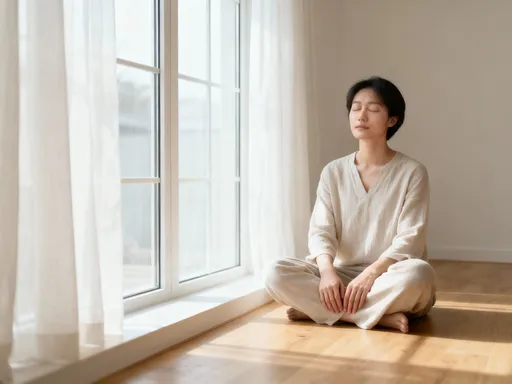
The turning point came after a particularly draining week. I had been relying on coffee to get through the mornings and wine to unwind at night. My sleep was fragmented, and I often woke feeling as tired as when I went to bed. One evening, while browsing a wellness article, I read about the benefits of morning yoga and meditation. Skeptical but curious, I decided to try just five minutes a day. I didn’t invest in expensive equipment or download multiple apps. I simply rolled out a mat in the living room and followed a short guided breathing exercise. The first few days were uncomfortable. My mind wandered, my body felt stiff, and I questioned whether this was worth the time. But I committed to consistency, not perfection.
Within two weeks, subtle shifts began. I noticed I was waking up slightly earlier, without the usual grogginess. The morning light felt less harsh, and I found myself craving a glass of water instead of coffee. The meditation practice, though brief, created a moment of stillness before the day’s demands began. It wasn’t about emptying the mind, but about observing thoughts without reacting. This small pause allowed me to respond to stress more calmly. I also began incorporating gentle stretches—simple poses like Cat-Cow and Child’s Pose—that helped release tension in my back and shoulders. These movements weren’t strenuous, but they made me more aware of how I carried stress in my body.
Over time, the five minutes grew to ten, then fifteen. I started moving intuitively, following what my body needed rather than following a rigid routine. Some days called for more movement, others for stillness. The practice became less about achieving a goal and more about showing up. And as the weeks passed, the benefits deepened. My sleep improved—fewer awakenings, more restful nights. I felt less reactive during stressful moments, like when a work deadline loomed or a family conflict arose. The changes weren’t dramatic, but they were real. Most importantly, I began to trust the process. This wasn’t a quick fix; it was a slow return to balance, one breath at a time.
The TCM Lens: Understanding Energy Flow and Daily Rhythms
As my yoga practice deepened, I became curious about Traditional Chinese Medicine and its view of health. Unlike Western medicine, which often focuses on isolated symptoms, TCM emphasizes the interconnectedness of body, mind, and environment. At its core is the concept of Qi—a vital energy that flows through pathways called meridians. When Qi moves freely, the body functions optimally. When it’s blocked or imbalanced, discomfort arises. TCM also recognizes a daily rhythm of Qi, known as the organ clock, which maps the body’s energy peaks and dips over a 24-hour cycle. This framework doesn’t replace medical advice, but it offers a practical way to align daily habits with natural physiology.
According to the organ clock, each two-hour period is governed by a specific organ system. For example, the Lung time is from 3 to 5 AM. This is when the body naturally begins to awaken, preparing for the day. Waking during this time, even briefly, is common and may reflect emotional processing, as the lungs are associated with grief in TCM. From 5 to 7 AM, the Large Intestine is active, making it an ideal time for elimination. This is why establishing a morning bathroom routine supports digestive health. From 7 to 9 AM, the Stomach reaches its peak, which is why eating a nourishing breakfast during this window can improve digestion and energy levels throughout the day.
The Spleen, responsible for transforming food into energy, is strongest from 9 to 11 AM, making this a productive time for mental tasks. The Heart governs 11 AM to 1 PM, a period when circulation is high and the body is alert. This is a natural peak for activity, but also a good time to pause and eat lunch mindfully. In the evening, the Pericardium (a protective layer around the heart) is active from 7 to 9 PM, supporting emotional connection and relaxation. This is an ideal time for quiet conversation, light stretching, or preparing for sleep. Finally, the Triple Burner, which regulates fluid balance and metabolism, is active from 9 to 11 PM, signaling the body to wind down.
While modern life doesn’t always allow perfect alignment, even small adjustments can make a difference. Waking before 7 AM supports the Large Intestine’s function. Eating breakfast within an hour of waking honors the Stomach’s peak. Avoiding heavy meals after 7 PM respects the body’s shift into rest mode. These practices aren’t about rigid rules, but about creating harmony between daily routines and the body’s innate timing. Over time, this awareness fosters a deeper connection to one’s natural rhythm.
Building a Sustainable Routine: Blending Yoga, Meditation, and Daily Habits
Integrating yoga and TCM principles into daily life doesn’t require a complete lifestyle overhaul. It begins with small, intentional choices. A sustainable routine might start with a five-minute morning stretch, followed by a few deep breaths before getting out of bed. This simple act signals to the body that the day is beginning gently, not abruptly. Midday, a short breathing exercise—such as inhaling for four counts, holding for four, and exhaling for six—can calm the nervous system and improve focus. Evening practices might include turning off screens by 9 PM, sipping a warm herbal tea, or doing a few restorative yoga poses like Legs-Up-the-Wall or Seated Forward Bend.
Yoga postures, or asanas, support the free flow of Qi by releasing physical tension and improving circulation. Twists, for example, are believed to aid digestion by gently massaging the internal organs. Forward bends have a calming effect on the nervous system, making them ideal for evening practice. Even standing poses, like Mountain Pose, help ground the body and improve posture, which in turn supports breath and energy flow. The key is not the complexity of the pose, but the awareness brought to it. Moving slowly and mindfully allows the body to communicate its needs.
Daily habits also play a crucial role. Meal timing, for instance, can be aligned with the organ clock. Eating the largest meal at lunchtime, when digestive fire is strongest, reduces the burden on the system. Avoiding cold foods and drinks, especially in the morning, supports digestive function according to TCM principles. Seasonal adjustments matter too—eating warmer, cooked foods in winter and lighter, cooling foods in summer helps the body adapt to environmental changes. These choices aren’t about strict diets, but about honoring the body’s natural preferences.
Screen time is another area where small changes yield big results. The blue light emitted by phones and computers suppresses melatonin production, making it harder to fall asleep. A screen curfew, even just 30 minutes before bed, can improve sleep quality. Replacing scrolling with reading, journaling, or gentle stretching creates a buffer between the day’s activity and rest. Over time, these habits form a rhythm that supports both physical and emotional well-being. The goal is not perfection, but consistency—a daily return to balance.
The Long-Term Shift: What Changed After Months of Practice
After several months of consistent practice, the changes became more than just physical. Energy levels stabilized—not the jittery buzz of caffeine, but a steady, reliable presence. Mornings felt easier. The urge to hit snooze faded, replaced by a quiet readiness to begin the day. Digestion improved, with less bloating and more regularity. Emotional resilience grew; small frustrations no longer spiraled into overwhelm. During a particularly stressful week at work, instead of reaching for comfort food or losing sleep, I returned to my routine—morning stretches, mindful breathing, an early bedtime. The storm passed, and I remained centered.
Progress wasn’t linear. There were weekends with late nights, holidays with rich meals, and days when the mat stayed rolled up. But the difference was in the recovery. Instead of falling into a cycle of guilt and fatigue, I learned to return gently. Missing a day didn’t mean failure; it was part of the process. The rhythm became a compass, not a cage. When I felt off, I asked: When did I last rest? When did I last breathe deeply? These simple questions guided me back.
One of the most profound shifts was in self-perception. I began to see my body not as something to fix, but as a wise, responsive system. It wasn’t about achieving a certain look or performance, but about listening and responding with care. This shift in mindset changed everything. Wellness became less about control and more about partnership. The body was no longer the enemy of discipline, but an ally in daily life. And as this relationship deepened, so did my sense of peace. The constant hum of anxiety quieted. I slept more soundly. I smiled more easily. These weren’t dramatic transformations, but they were lasting.
Living in Rhythm: A Lifelong Practice, Not a Quick Fix
What I’ve learned is that true wellness is not a destination, but a way of living. It’s the daily choice to honor the body’s natural timing, to move with its rhythms rather than against them. Yoga and TCM are not quick fixes; they are tools for awareness, helping us tune into the subtle signals of energy, emotion, and physical sensation. They teach us that balance is not found in intensity, but in consistency. It’s not about doing more, but about being present—breathing, moving, eating, and resting with intention.
For women navigating the demands of family, work, and personal well-being, this approach offers a sustainable path. It doesn’t require hours of practice or expensive retreats. It begins with a single breath, a moment of stillness, a small adjustment in routine. Over time, these moments accumulate into a life of greater clarity, resilience, and vitality. The rhythm isn’t imposed; it’s rediscovered. It’s already within, waiting to be noticed.
Living in rhythm is an act of self-respect. It says: I am worth the time. I am worth the care. It’s a quiet rebellion against the culture of burnout, a return to what is natural and nourishing. And while the journey is personal, the principles are universal. Listen to your body. Honor its cycles. Move with kindness. Breathe with purpose. In doing so, you don’t just survive the demands of modern life—you thrive within them.