Smokey Flavors & Mountain Views: A Foodie’s Hidden Path
Nestled in the misty peaks of the Great Smoky Mountains, where rustic charm meets vibrant Appalachian culture, a delicious secret unfolds—not just in the trails, but on the plate. I discovered that the true soul of this iconic national park isn’t only in its waterfalls or hiking paths, but simmering in down-home kitchens and local diners. From smoky pulled pork to golden cornbread fresh from the oven, every bite tells a story worth capturing—and sharing. This is travel through taste, where flavor meets the wild. More than just a feast for the senses, this culinary journey reveals the resilience, warmth, and heritage of a region shaped by nature and tradition. For the mindful traveler, especially those who value authenticity and connection, the mountains offer a rare invitation: to slow down, savor deeply, and listen with every bite.
The Allure of the Great Smoky Mountains: More Than Just Scenery
The Great Smoky Mountains National Park, straddling the border between Tennessee and North Carolina, is the most visited national park in the United States, welcoming over 14 million visitors annually. Its name derives from the natural fog that rolls off the dense evergreen forests, giving the range a soft, smoky glow at dawn and dusk. This ethereal atmosphere, combined with over 800 miles of hiking trails, 90 historic structures, and an abundance of wildlife—from black bears to synchronous fireflies—makes it a haven for nature lovers. Yet beyond the postcard-perfect vistas lies a cultural landscape equally worthy of exploration.
Unlike many other protected areas, the Smokies preserve not only natural ecosystems but also a living cultural heritage. The Appalachian communities that once thrived in these remote hollows maintained a way of life shaped by self-reliance, seasonal rhythms, and deep kinship with the land. Their descendants continue to uphold traditions that have been passed down for generations, including a distinctive food culture rooted in necessity, ingenuity, and generosity. This blend of natural wonder and cultural continuity offers travelers a rare opportunity: to experience a place not just as spectators, but as participants in a story still being lived.
For the modern traveler, especially women between 30 and 55 who value meaningful experiences, the Smokies provide a sanctuary where beauty and authenticity coexist. Whether hiking Alum Cave Trail at sunrise or browsing a roadside farm stand in Cades Cove, one senses a rhythm slower than everyday life—a pace that invites reflection and connection. And nowhere is this more evident than at the dinner table, where meals are not rushed, but lingered over, often shared with neighbors or newcomers welcomed like kin. The park’s official mission includes preserving both nature and culture, and food is one of the most intimate ways to honor that dual legacy.
Appalachian Cuisine: The Heartbeat on the Plate
Appalachian cuisine is not about extravagance; it is about sustenance transformed into soul. Born from the challenges of mountain living, it reflects a deep understanding of seasonal cycles, resourcefulness, and community. At its core are simple ingredients—corn, beans, pork, potatoes, and leafy greens—that were historically grown in backyard gardens or foraged from the surrounding woods. These staples were preserved through canning, drying, and smoking, ensuring families could endure long winters with dignity and flavor.
Corn, in particular, holds a central place in this culinary tradition. Whether ground into grits, mixed into cornbread batter, or dried and rehydrated into hominy, it serves as both nourishment and symbol of resilience. Similarly, pork—often raised on small family farms—was salted, smoked, or rendered into lard, becoming the foundation of countless meals. Beans, slow-cooked with a ham hock or fatback, provided protein and warmth on cold nights. These ingredients, humble as they may seem, were elevated through time-honored techniques and shared intention.
Cooking methods were shaped by available tools and fuel. Cast-iron skillets, passed down through generations, remain a hallmark of Appalachian kitchens. Their ability to retain heat made them ideal for frying cornbread, searing meat, or baking pies in wood-fired ovens. Smoking, another essential technique, was used not only for meat but also for fish and even cheese in some areas. These practices were not merely functional—they carried emotional weight, connecting cooks to ancestors who once prepared meals under similar conditions.
Meals in the Smokies were—and still are—about more than nutrition. They are acts of care, celebration, and continuity. Sunday dinners after church, harvest feasts in the fall, and holiday gatherings centered around the table reinforce bonds within families and across communities. To sit at such a table today is to witness a living tradition, one where recipes are shared by memory rather than written down, and where the phrase “there’s always room for one more” is not a polite gesture, but a way of life.
From Farm to Fork: Where Locals Eat
While tourist-friendly restaurants line the main streets of Gatlinburg and Pigeon Forge, the true culinary heartbeat of the region pulses in quieter, family-run establishments just off the beaten path. These are not polished chains or themed eateries, but real places where locals gather for breakfast before work, where elders sip coffee in corner booths, and where the scent of frying bacon greets visitors at the door. Here, menus are handwritten on chalkboards, service is unhurried, and the food arrives hot, generous, and full of character.
In towns like Cosby, Wears Valley, and Townsend, diners and country kitchens serve up what many consider the soul of Appalachian cooking. A typical morning might begin with fluffy buttermilk biscuits split open and slathered with sausage gravy or local honey. Fried eggs, crisp-edged and golden, arrive alongside country ham or apple butter made in small batches. Lunch often features soup beans—slow-simmered pinto beans served with cornbread for dipping—and coleslaw made with a tangy vinegar base rather than mayonnaise, a nod to both flavor and food safety in pre-refrigeration times.
One does not need to know a secret address to find these spots. Often, they are housed in unassuming buildings with hand-painted signs, gravel parking lots, and rocking chairs on the porch. Some operate only on weekends, tied to church schedules or seasonal demand. Others are tucked inside general stores where shelves are lined with dry goods, jars of pickled vegetables, and locally made jams. These are places where cash is preferred, where the cook might call you “honey,” and where asking for extra butter on your cornbread is met with a smile, not a surcharge.
What makes these meals memorable is not just taste, but atmosphere. Wooden beams, checkered tablecloths, and the soft clatter of dishes create a sense of timelessness. Steam rises from cast-iron skillets placed directly on the table, and meals are often served in heavy ceramic bowls that retain heat. Pickle jars glow in the sunlight, and pie cabinets display slices of banana pudding, chess pie, or chocolate mountain cake. These details are not staged for tourists—they are simply how things have always been done. For the observant traveler, they offer a window into a world where food is not a commodity, but a language of love and belonging.
Must-Try Dishes: A Taste of Mountain Life
To travel through the Smokies without tasting its signature dishes is to miss a vital chapter of its story. Each bite offers insight into the land, the seasons, and the people who have lived here for generations. Among the most iconic is pulled pork, typically slow-smoked over hickory or applewood and shredded by hand. What sets it apart is the sauce—a tangy, vinegar-based blend often spiked with black pepper and a hint of heat. Unlike the thick, sweet sauces found elsewhere in the South, this version cuts through the richness of the meat, balancing every bite with brightness and depth.
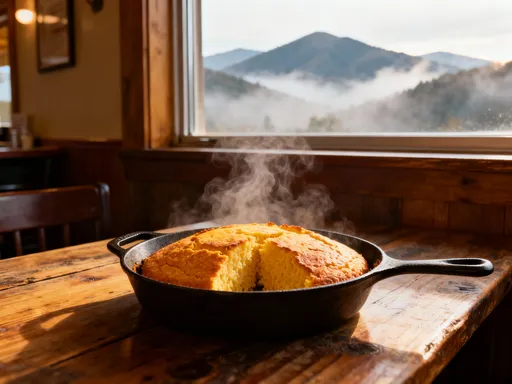
Equally essential is skillet-fried cornbread, a staple that transcends mere side dish status. True Appalachian cornbread contains no sugar, relying instead on the natural sweetness of fresh cornmeal and the richness of buttermilk. Cooked in a well-seasoned cast-iron pan, it emerges with a golden crust and a tender, crumbly interior. Locals often break it into pieces and pour milk or pot likker—the savory broth left after cooking greens—over the top, creating a simple yet deeply satisfying meal.
Seasonality plays a crucial role in the region’s food calendar. In early spring, ramps—wild leeks with a pungent garlic-onion flavor—emerge in the forests and become the star of festivals and home-cooked meals alike. Sautéed with potatoes or grilled over an open flame, they are a fleeting delicacy, available for only a few weeks each year. Later in the season, blackberries and elderberries are gathered for cobblers and syrups, while fall brings apples, pumpkins, and persimmons, all transformed into pies, preserves, and fermented beverages.
Sweet endings are equally distinctive. Applestack cake, a layered dessert made with thin apple slices and spiced cake batter, is baked until the fruit softens and the top browns to perfection. Homemade apple butter, slow-cooked for hours until thick and glossy, is spread on biscuits or used as a glaze for ham. These desserts are not overly sweet, reflecting a tradition where sugar was once a luxury. Instead, they highlight the natural flavors of the ingredients, enhanced by cinnamon, nutmeg, and clove. Pairing a slice of pie with a glass of sweet iced tea—brewed strong and cooled with ice—completes the sensory experience, offering a moment of quiet indulgence in a fast-moving world.
Capturing the Moment: Why This Food Is Instagram Gold
In today’s digital age, food is not only tasted but also seen, shared, and celebrated through photography. The cuisine of the Smokies, with its rustic textures, warm colors, and authentic settings, is inherently photogenic. A cast-iron skillet filled with golden cornbread, its edges crisped to perfection, catches the morning light streaming through a diner window. A mason jar of ruby-red pickled beets sits beside a plate of smoked meat, their vibrant hues contrasting with the worn wooden table. These images do more than document a meal—they tell a story of place, tradition, and care.
For those who enjoy capturing and sharing their travels, the Smokies offer endless opportunities for meaningful photography. The key lies not in perfection, but in authenticity. Natural lighting—especially the soft, diffused glow of early afternoon—enhances the warmth of wooden interiors and the steam rising from hot dishes. Shooting from above works well for plated meals, while close-ups highlight textures: the flakiness of a biscuit, the glisten of apple butter, the grain of hand-thrown pottery used in some farm-to-table cafes.
But the most powerful images often include human elements. A weathered hand breaking bread, a grandmother stirring a pot of beans, or children laughing over slices of banana pudding add emotional depth to visual storytelling. These moments, when captured with respect and permission, convey the heart of the culture. They remind viewers that food is not just fuel, but connection.
When sharing these photos, a thoughtful caption can elevate the post from simple documentation to narrative. Mentioning a dish’s history—such as how soup beans were once a staple for miners and farmers—adds context. Sharing a personal reflection, like “This meal reminded me of my grandmother’s kitchen,” fosters relatability. Even tagging a local business, if known, supports small entrepreneurs and encourages others to visit with intention. In this way, social media becomes not just a gallery, but a bridge between cultures, generations, and geographies.
Beyond the Plate: Connecting with Culture
While food is a powerful entry point, the full richness of the Smokies reveals itself through immersive experiences. A meal is more meaningful when one has seen where the ingredients come from, heard the stories behind them, and participated in their creation. Farmers markets, held weekly in towns like Sevierville and Cherokee, offer direct access to growers, bakers, and artisans. Here, one can sample fresh goat cheese, buy jars of wildflower honey, or watch a woodcarver shape a walking stick from local cedar.
Live music is another thread woven into the region’s cultural fabric. On weekend evenings, many local eateries host acoustic sets featuring bluegrass, old-time fiddle tunes, or gospel harmonies. These performances are not staged for tourists; they are community events where families gather, musicians swap songs, and visitors are welcomed as listeners. Sitting on a porch with a cup of tea, listening to a fiddle echo through the hills, one feels the continuity of tradition and the joy of shared expression.
For those seeking hands-on engagement, some heritage centers and cultural museums offer short cooking demonstrations or workshops. These are not elaborate culinary classes, but humble gatherings where a local elder might show how to shuck corn, can green beans, or fry apple pies in a cast-iron skillet. Participation is gentle and observational, emphasizing respect for knowledge rather than performance. These moments—quiet, unscripted, and genuine—often become the most cherished memories of a trip.
Supporting local businesses is not just an economic choice; it is an act of cultural preservation. When travelers choose a family diner over a chain restaurant, buy preserves from a roadside stand, or attend a community festival, they help sustain traditions that might otherwise fade. This mindful approach to tourism aligns with the values of many women in their 30s to 50s, who seek travel that is both enriching and responsible. It transforms a vacation into a meaningful exchange—one where both visitor and host benefit.
Travel Tips for the Modern Explorer
Planning a culinary-focused visit to the Great Smoky Mountains requires thoughtful timing and preparation. For food lovers, the best seasons are spring and fall. Spring brings the arrival of ramps, morel mushrooms, and wild greens, often celebrated at local festivals and farmers markets. Fall, with its harvest bounty, offers apples, pumpkins, and persimmons, as well as cooler temperatures ideal for hiking and outdoor dining. Summer, while popular, can be crowded and humid, especially in Gatlinburg and Pigeon Forge, so early mornings or weekday visits are recommended for a more relaxed experience.
Parking in the main tourist towns can be challenging, particularly on weekends. Travelers are advised to arrive early or use designated park-and-ride services where available. Once parked, exploring on foot or by bike allows for a more intimate encounter with local shops and eateries. For a quieter alternative, consider visiting nearby mountain communities like Greenbrier or Hartford, where traffic is lighter and interactions more personal.
When choosing where to eat, balance well-known spots with lesser-known gems. While some popular restaurants offer excellent food, venturing into smaller towns or rural areas often leads to more authentic experiences. Look for places with handwritten menus, limited hours, or a strong local clientele—these are often indicators of genuine regional cooking. Always check seasonal hours, as many family-run establishments close earlier in the winter or operate only on weekends.
Finally, embrace the philosophy of slow travel. Allow time between meals to wander, to chat with shopkeepers, to sit on a porch and watch the mist roll in. Let the rhythm of the mountains guide your pace. Bring a reusable container to take home local jams or pickles, and consider writing a thank-you note to a host or cook—small gestures that leave lasting impressions. Remember, the goal is not to consume, but to connect. The true magic of the Smokies lies not in the number of dishes tried, but in the stories shared, the traditions honored, and the quiet moments of gratitude that linger long after the journey ends.