You Won’t Believe These Hidden Corners of Chiang Mai
Chiang Mai is more than temples and night markets — it’s a city of secret worlds waiting to be explored. I stumbled upon theme-driven neighborhoods that most travelers miss completely. From artsy enclaves to quiet mountain hamlets, each area has its own rhythm and story. If you’re tired of cookie-cutter tours, these off-the-beaten-path zones will change how you see Northern Thailand. Let’s dive into the real Chiang Mai — one hidden corner at a time.
Beyond the Tourist Map: The Allure of Theme-Based Exploration
Most visitors to Chiang Mai follow a well-trodden path: Wat Phra That Doi Suthep, the Old City walls, and the bustling Saturday Night Market. While these landmarks are undeniably beautiful, they only reveal a fraction of what this northern gem has to offer. Beyond the postcard views lies a network of neighborhoods shaped by unique themes — art, agriculture, spirituality, and nature — each offering a deeper, more personal connection to the region. Theme-based exploration encourages travelers to slow down, engage meaningfully, and discover Chiang Mai not as a checklist, but as a living, breathing cultural tapestry.
These theme areas are not curated for tourism brochures; they emerge organically from local life. In villages nestled in the foothills, generations continue traditional farming and weaving. Along quieter streets, artists convert old buildings into studios and galleries. These spaces thrive on authenticity, offering experiences that feel genuine rather than performative. When travelers choose to explore by theme, they shift from passive sightseeing to active participation, gaining insight into how people live, create, and connect with their environment.
Choosing a thematic approach also allows for more intentional travel. Instead of rushing from one attraction to the next, visitors can immerse themselves in a single aspect of Chiang Mai’s identity — whether it’s spending a full day tracing the journey of coffee from bean to cup or attending a hands-on workshop in natural dyeing techniques. This depth of experience fosters lasting memories and a stronger emotional bond with the destination. Moreover, supporting community-led initiatives helps sustain local economies in a respectful, low-impact way.
For 30- to 55-year-old women, many of whom travel to recharge, reflect, and reconnect with themselves or loved ones, this style of exploration offers both enrichment and tranquility. It provides space for curiosity without overwhelm, adventure without risk, and beauty without crowds. By stepping beyond the tourist map, travelers don’t just see more of Chiang Mai — they feel more of it, too.
The Art District Pulse: Where Creativity Lives
While Chiang Mai’s Old City draws crowds with its golden temples, a quieter but equally vibrant creative revolution is unfolding in its surrounding districts. Areas like San Kamphaeng, Hang Dong, and the outskirts of Huay Kaew have become incubators for local artists, designers, and craftspersons seeking space, inspiration, and freedom from commercial pressures. These neighborhoods are not officially designated art districts, yet they pulse with creativity — in converted shophouses, open-air studios, and alleyways transformed into open-air galleries.
Walking through these zones feels like stepping into a living sketchbook. Murals painted by Thai and international artists cover walls with intricate patterns, nature motifs, and social commentary rendered in bold colors. Unlike mass-produced souvenirs, these works reflect personal stories and cultural reflections, inviting viewers to pause and ponder. Independent galleries often operate on a ‘by appointment’ or ‘open weekend’ basis, offering intimate encounters with the artists themselves. Visitors might find a ceramicist shaping delicate teacups from local clay or a textile artist experimenting with indigo dye techniques passed down through generations.
What makes these spaces so compelling is their accessibility and warmth. There’s no pretense, no velvet ropes — just a shared appreciation for craftsmanship and expression. Many studios welcome drop-in visitors, offering short workshops where guests can try their hand at batik printing, handmade paper crafting, or woodblock design. These hands-on experiences are especially appealing to women seeking meaningful engagement during travel, blending creativity with mindfulness in a nurturing environment.
The rise of these grassroots art communities also reflects a broader cultural shift. As Chiang Mai becomes increasingly popular, some locals are reclaiming creative identity by resisting homogenization. Rather than catering to tourist tastes, they focus on preserving traditional methods while innovating with modern forms. This balance between heritage and experimentation gives the city’s art scene its distinctive character. For the thoughtful traveler, exploring these pockets isn’t just about viewing art — it’s about witnessing resilience, identity, and the quiet power of self-expression.
Mountain Rhythms: Life in the Highlands
A short drive from Chiang Mai’s urban core, the landscape rises into misty highlands where life unfolds at a different pace. Scattered across the slopes of Doi Suthep, Doi Pui, and beyond are small communities — some belonging to long-established hill tribes, others home to eco-farmers and sustainability advocates. These elevated villages offer a window into ways of living that honor tradition, nature, and intergenerational knowledge. Here, mornings begin with the scent of woodsmoke and the sound of roosters, while evenings close with shared meals under starlit skies.
One of the most enriching experiences in these highland areas is visiting a community-led village where tourism is carefully managed to respect local customs. In places like Mae Kampong or Pong Tao, families welcome guests through homestays, guided walks, and cultural demonstrations. Visitors may observe elders weaving intricate patterns on wooden looms, children learning traditional songs, or farmers tending terraced plots of ginger, turmeric, and hill rice. These moments are not staged performances; they are everyday realities shared with dignity and pride.
Coffee cultivation is another cornerstone of highland life. In villages such as Ban Mae Win, smallholder farmers grow organic Arabica beans using shade-grown methods that protect the forest canopy. Tourists can join harvest tours, learn about processing techniques, and taste freshly brewed coffee in rustic hillside cafes. These experiences highlight the deep connection between land and livelihood, emphasizing sustainability over speed. For women travelers interested in ethical consumption and slow living, these visits offer both education and inspiration.
Responsible engagement is essential when visiting these communities. Visitors are encouraged to follow local guidelines — dressing modestly, asking permission before photographing people, and supporting village cooperatives directly. Many communities operate under a ‘community-based tourism’ model, ensuring that income stays within the village and supports education, healthcare, and conservation. This approach transforms tourism from a one-sided transaction into a reciprocal relationship, fostering mutual respect and long-term benefits.
Culinary Neighborhoods: Flavors That Define Places
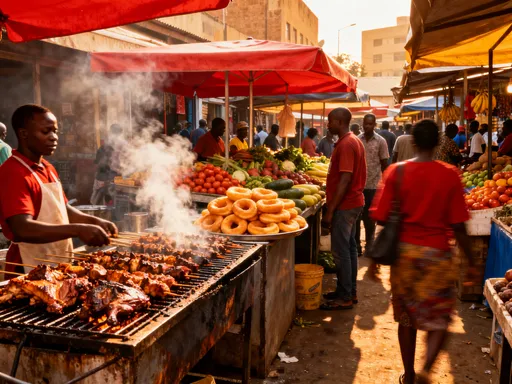
In Chiang Mai, food is not merely sustenance — it’s a language of belonging. Each neighborhood has its own culinary signature, shaped by geography, history, and family tradition. While Warorot Market draws thousands for its central stalls, the true treasures lie in the backstreets and side alleys where generations-old vendors serve dishes that can’t be found anywhere else. These culinary neighborhoods offer a sensory journey — the sizzle of grills, the fragrance of kaffir lime and lemongrass, the vibrant colors of fresh produce piled high on wooden carts.
One such area is the stretch behind Warorot, where early risers gather at 6 a.m. for khao soi, the region’s iconic coconut curry noodle soup. Unlike restaurant versions, the best bowls come from family-run stands that have perfected their recipes over decades. The broth simmers overnight, infused with roasted chili oil and aromatic spices, while the crispy noodles on top are fried fresh each morning. Eating here is an act of participation — squeezing lime, adding pickled mustard greens, adjusting the heat to taste — turning a meal into a personal ritual.
Outside the city, rural food clusters reveal even deeper layers of northern Thai cuisine. In villages near San Sai and Mae Rim, weekend food markets emerge every Saturday and Sunday, offering specialties like sai ua (herb-packed northern sausage), nam prik num (green chili dip), and sticky rice steamed in bamboo tubes. These markets are less about spectacle and more about community — farmers selling surplus harvests, grandmothers trading recipes, children helping pack orders. For visitors, they provide a rare opportunity to eat like a local, with ingredients sourced just hours earlier from nearby fields.
Cooking classes in these areas go beyond technique; they teach philosophy. Instructors emphasize seasonality, balance, and respect for ingredients. A class might begin with a visit to a herb garden, where guests learn to identify galangal, fingerroot, and makrut lime leaves before using them in a meal. These immersive experiences resonate deeply with women seeking nourishment — not just physical, but emotional and intellectual. Sharing a meal cooked with care, in a setting rich with tradition, creates a sense of connection that lasts long after the journey ends.
Spiritual Sanctuaries Off the Beaten Path
While Doi Suthep Temple remains one of Chiang Mai’s most visited spiritual sites, quieter alternatives offer a more contemplative experience. Nestled in the forested foothills and rural outskirts are smaller temples and meditation centers that prioritize peace over pageantry. These sanctuaries, often affiliated with the Thai Forest Tradition of Theravada Buddhism, welcome respectful visitors seeking stillness, reflection, or a brief retreat from daily noise.
One such place is Wat Pha Bhat, located in a serene valley surrounded by pine-covered hills. Unlike urban temples adorned with gold and marble, this monastery embraces simplicity — wooden meditation halls, open-air sitting platforms, and walking paths lined with bamboo. Monks follow a strict daily routine: up before dawn, silent alms rounds through nearby villages, hours of seated and walking meditation. Visitors are invited to observe, participate in guided sessions, or simply sit quietly beneath the trees, listening to the wind and distant chants.
Another hidden gem is Wat Umong, an ancient tunnel temple set within a forest park. Though known to some, its expansive grounds and secluded ponds allow for solitude even on weekends. The temple hosts regular Dhamma talks in English and offers short-term meditation retreats for beginners. For women navigating life transitions — empty nesting, career shifts, or personal renewal — these spaces provide a supportive environment for introspection and emotional reset.
What sets these sanctuaries apart is their emphasis on presence rather than performance. There are no souvenir shops, no loud announcements, no crowds jostling for photos. Instead, there is space — to breathe, to listen, to let go. Visitors are reminded that spirituality need not be loud or dramatic to be powerful. A single morning of mindful walking, a shared cup of herbal tea with a nun, or the sight of lotus blossoms opening on still water can be profoundly moving. These moments, though simple, often become the most cherished parts of a journey.
Nature-Immersion Zones: Forests, Rivers, and Hidden Trails
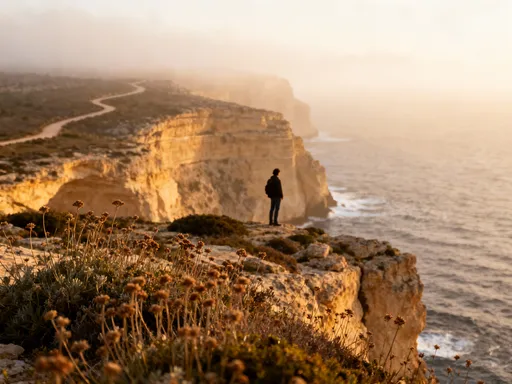
Chiang Mai’s natural beauty extends far beyond its famous waterfalls and national parks. For those willing to explore beyond the main entrances, there are lesser-known zones where nature remains undisturbed and accessible. These areas — from quiet corners of Doi Inthanon National Park to riverside trails in Mae Sa Valley — offer immersive experiences that engage all the senses while promoting environmental awareness and physical well-being.
Doi Inthanon, Thailand’s highest peak, attracts many visitors to its summit and royal pagodas. Yet, just a few kilometers away, the Ang Ka Nature Trail and Kew Mae Pan boardwalk lead through cloud forest ecosystems rich in moss, orchids, and rare bird species. These elevated pathways are maintained with care, allowing access without harming the fragile environment. Early morning hikes here are especially magical, as mist drifts between ancient trees and sunlight filters through the canopy. Rangers often accompany small groups, sharing knowledge about plant medicinal uses and conservation efforts.
In Mae Sa Valley, a network of low-impact trails follows the river’s edge, passing by small farms, bamboo bridges, and hidden swimming holes. Unlike commercialized trekking routes, these paths are used by locals for walking, fishing, and gathering herbs. Visitors can rent bicycles or join guided eco-walks that emphasize ‘leave no trace’ principles. Along the way, they might stop at a family-run fruit stand selling fresh mangosteen or papaya, or pause to watch children playing in the shallows.
These nature-immersion zones are ideal for travelers seeking gentle adventure and mental clarity. The physical activity supports health and vitality, while the natural surroundings reduce stress and enhance mindfulness. For women in midlife, such experiences offer a powerful combination of movement, beauty, and restoration. Moreover, responsible tourism practices — staying on marked trails, avoiding plastic, supporting eco-guides — ensure that these spaces remain protected for future generations.
Putting It Together: Designing Your Own Themed Journey
With so many hidden corners to explore, the key to a fulfilling Chiang Mai experience lies in thoughtful planning. Rather than trying to see everything, consider building a personalized itinerary around one or two themes that resonate most deeply. Whether it’s art, food, nature, or spirituality, focusing on a single thread allows for deeper immersion and a more coherent narrative of your journey.
Start by selecting a base that offers easy access to your chosen areas. For art and culinary exploration, staying in Nimman or near the Ping River provides walkability and charm. For mountain and nature experiences, a quiet guesthouse in Mae Rim or a homestay in a hillside village offers proximity and tranquility. Transportation options include private drivers, local songthaews (shared pickup trucks), or rental scooters for the confident — though roads in rural areas can be narrow and winding, so caution is advised.
Allocate time generously. A half-day is sufficient for a market visit or short hike, but full days are better for workshops, temple stays, or village tours. Engage directly with local hosts — ask questions, express gratitude, support small businesses. These interactions often become the most memorable parts of a trip, fostering connections that transcend language and culture.
Ultimately, exploring Chiang Mai through its hidden, theme-based neighborhoods transforms travel from consumption to connection. It invites you to move slowly, observe closely, and participate with respect. For women seeking meaning, beauty, and renewal in their journeys, this approach offers not just a vacation, but a quiet revolution of the spirit. The real Chiang Mai isn’t found in guidebooks — it’s discovered one hidden corner at a time.