You Won’t Believe What I Found in Brazzaville’s Art Scene
When I landed in Brazzaville, I wasn’t expecting much—maybe some local markets, a river view, and a quiet vibe. But what I discovered completely blew my mind. Hidden in plain sight is a thriving world of art and culture, pulsing with creativity, color, and soul. From vibrant street murals to intimate craft studios, Brazzaville isn’t just alive—it’s shouting stories through paint, rhythm, and fabric. This city redefines African urban culture in ways most travelers never see. Far from the well-trodden tourist paths, it offers a raw, authentic experience where art is not displayed for spectacle but lived as daily expression. In every corner, from alleyway walls to open-air workshops, creativity flows like the Congo River that divides it from Kinshasa. This is a city that speaks in hues, moves to rhythm, and remembers through craft.
First Impressions: The Quiet Capital with a Loud Heart
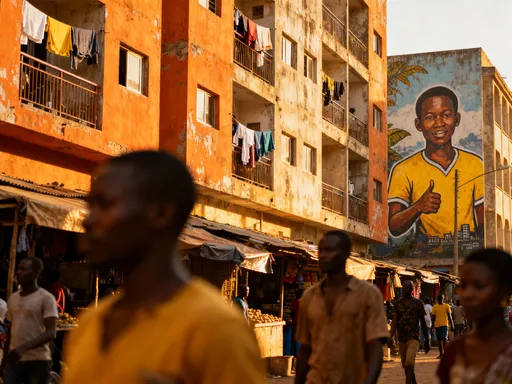
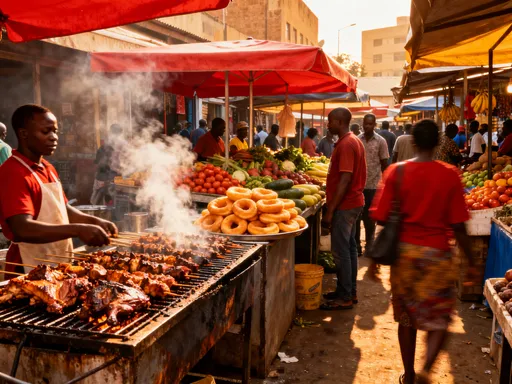
Brazzaville greets visitors with understated charm. Nestled along the northern banks of the Congo River, the city unfolds across gentle hills dotted with lush greenery and colonial-era architecture softened by time. At first glance, it appears calm, almost sleepy, with motorbikes weaving through quiet streets and vendors arranging fruit beneath wide umbrellas. The pace of life feels deliberate, unhurried—a contrast to the frenetic energy of many global capitals. Yet beneath this serene surface beats a vibrant cultural pulse, one that reveals itself not in grand monuments but in the everyday expressions of its people.
What sets Brazzaville apart is how seamlessly art integrates into daily life. There are no velvet ropes or hushed galleries guarding creativity here. Instead, it spills onto sidewalks, climbs up building facades, and echoes from open windows where music drifts through the humid air. This organic fusion of art and existence is not accidental; it is rooted in a long tradition of storytelling, community, and resilience. The city’s creative spirit has grown quietly but steadily, nurtured by generations who understand that expression is as essential as bread.
For the observant traveler, clues abound. A painted drum leaning against a doorway. A child sketching figures in the dust with a stick. Elders gathered beneath a mango tree, recounting tales that blend history with myth. These moments are not performances for tourists—they are fragments of a living culture. As one local artist put it, “We don’t make art to be seen. We make it because we cannot not make it.” This intrinsic drive fuels Brazzaville’s artistic renaissance, transforming the city into an open-air museum where every district has its own voice and vision.
Street Art as Storytelling: Murals That Speak
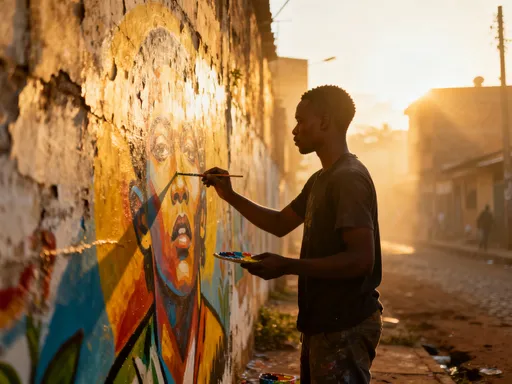
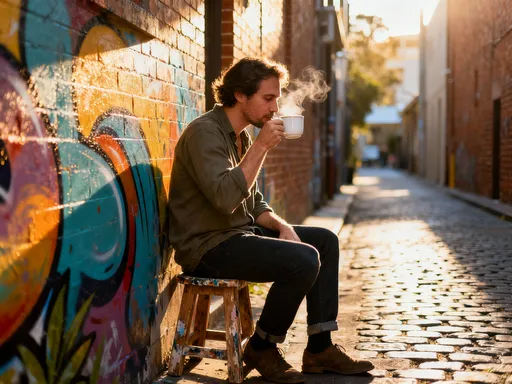
One of the most striking features of Brazzaville’s cultural landscape is its flourishing street art movement. Across neighborhoods like Bacongo, Makelekele, and Talangaï, building walls have become canvases for powerful visual narratives. These murals are more than decorative—they are public conversations, capturing the hopes, struggles, and identities of the community. Unlike commercial graffiti seen in some global cities, Brazzaville’s street art is deeply rooted in storytelling, often drawing from oral traditions, historical events, and social commentary.
Walk through Bacongo, and you might encounter a mural depicting women carrying baskets of cassava, their faces rendered with dignity and strength. Nearby, another wall shows a giant hand releasing a flock of birds, symbolizing freedom and renewal. The use of bold colors—deep ochres, electric blues, and earthy reds—reflects both the natural palette of the region and the emotional intensity of the messages. Artists frequently incorporate Congolese patterns and symbols, weaving cultural heritage into contemporary forms.
Many of these works respond to social issues, such as environmental protection, gender equality, or national unity. A mural in Makelekele portrays children from different ethnic groups holding hands beneath a tree with roots shaped like a map of Africa, suggesting interconnectedness and shared destiny. These images do not preach; they invite reflection. Passersby often pause, point, and discuss—proof that art here functions as a communal mirror.
Local collectives have begun organizing mural festivals, bringing together artists from across the country. These events are not just about beautification but about reclaiming public space and empowering youth. For many young painters, creating murals is an act of ownership—claiming the city as theirs and shaping its visual identity. International artists occasionally collaborate, but the voice remains distinctly Congolese. This is not art imposed from the outside; it is art rising from within, loud and unapologetic.
Craft Markets: Where Tradition Meets Innovation
No exploration of Brazzaville’s art scene is complete without a visit to its bustling craft markets. Places like Marché Total and Marché Maria Ngouabi are not merely shopping destinations—they are living galleries of handmade tradition. Here, artisans display wood carvings, handwoven baskets, beaded jewelry, and intricately dyed textiles known as pagnes. Each item carries meaning, often reflecting ancestral knowledge passed down through generations.
Wood carving remains one of the most revered crafts. Sculptors work with local hardwoods like iroko and ebony, shaping masks, figurines, and ceremonial stools. These pieces often represent spiritual guardians, family ancestors, or mythological beings. The craftsmanship is meticulous—every curve and groove intentional, every finish polished by hand. Some carvers incorporate modern elements, such as abstract forms or mixed media, blending tradition with innovation. One artisan explained that while the tools may change, the purpose remains: “We carve to remember, to honor, to protect.”
Textile art is equally significant. The city is known for its vibrant fabrics, dyed using techniques like batik and tie-dye. Women artisans, often working in small cooperatives, design patterns that tell stories—of harvests, migrations, or rites of passage. Geometric shapes carry symbolic weight; a zigzag might represent a river, a spiral the journey of life. These textiles are worn proudly, not just as clothing but as declarations of identity.
What’s particularly inspiring is how younger artisans are reimagining these traditions. Some have launched sustainable fashion lines using recycled materials, while others combine traditional motifs with contemporary silhouettes. At Marché Maria Ngouabi, a young designer sells tote bags made from upcycled pagnes, each labeled with the story behind its pattern. This fusion of old and new ensures that cultural heritage remains relevant, not frozen in time. For visitors, purchasing these items is more than a souvenir transaction—it’s an act of support for living culture.
Music and Rhythm: The Pulse Behind the Palette
In Brazzaville, art is never silent. The city’s visual creativity is deeply intertwined with its musical soul, particularly the rhythms of soukous and Congolese rumba. These genres, born from the fusion of traditional melodies and Cuban influences, are more than entertainment—they are the heartbeat of urban life. Guitars ripple through alleyways, basslines vibrate from open windows, and dance moves emerge spontaneously in courtyards and market squares.
Music and visual art feed off each other in profound ways. Many painters describe listening to rumba while they work, letting the syncopated rhythms guide their brushstrokes. “The music tells me when to add red, when to slow down, when to stop,” said one muralist. Similarly, album covers and stage designs are often created by local artists, forming a seamless bridge between sound and image. This synergy is especially visible during cultural festivals, where live painting sessions accompany live bands, turning performances into multisensory experiences.
Informal jam sessions are common, often springing up in neighborhood courtyards or at roadside bars known as maquis. These gatherings are democratic—anyone with talent is welcome to join. Elder musicians mentor younger ones, passing down techniques and songs. Some community centers host regular music workshops, ensuring that the tradition continues. For visitors, attending one of these sessions offers an intimate glimpse into the city’s creative spirit—unstaged, unfiltered, and deeply communal.
The influence of music extends beyond performance. It shapes the way people move, speak, and even decorate their homes. Rhythm is not just heard; it is felt in the sway of a dancer, the click of beads on a loom, the tap of a chisel on wood. In this way, Brazzaville’s art scene is not segmented into categories but flows as a single, living current—visual, auditory, and kinetic.
Cultural Hubs: Spaces Breeding Creativity
While much of Brazzaville’s art thrives in informal spaces, a network of cultural hubs provides structure and support for creative expression. These include modest galleries, community art centers, and pop-up exhibition spaces that serve as incubators for talent. Though few are widely advertised, they play a crucial role in connecting artists, hosting workshops, and fostering dialogue.
One such space operates in a converted warehouse in the city center, where rotating exhibits showcase emerging painters, photographers, and mixed-media artists. Entry is free, and visitors are encouraged to engage with the creators, who often stand nearby to discuss their work. The atmosphere is welcoming, never elitist. Another center, run by a local nonprofit, offers free art classes to children and teens, emphasizing self-expression over technical perfection. Here, young people experiment with paint, clay, and fabric, building confidence alongside skill.
These hubs also host poetry readings, film screenings, and panel discussions on topics like cultural preservation and urban development. They function as safe spaces where ideas can be shared without fear of judgment. Some collaborate with international organizations to bring visiting artists or fund collaborative projects, though the focus always remains on local voices. Importantly, these spaces are not dependent on tourism; they exist for the community first, ensuring authenticity and continuity.
For travelers, gaining access often requires local connections or word-of-mouth invitations. This may seem exclusive, but it protects the integrity of the spaces. When visitors are welcomed, they are treated as guests, not consumers. The emphasis is on mutual respect and genuine exchange. By supporting these hubs—through donations, participation, or respectful observation—travelers contribute to a sustainable cultural ecosystem.
Art as Resistance and Resilience
Beneath the beauty and vibrancy of Brazzaville’s art scene lies a deeper current of resilience. Like many African cities, Brazzaville has navigated periods of political instability, economic hardship, and social change. Art has served as both a refuge and a tool for resistance—a way to process trauma, assert identity, and imagine a better future. This is not protest art in the confrontational sense, but a quiet, persistent assertion of dignity and hope.
Many contemporary works reflect themes of unity, memory, and renewal. A painting might depict a family reunited after years of separation, their faces glowing with quiet joy. A sculpture could show a tree growing from a cracked wall, symbolizing growth amid adversity. These images do not ignore suffering; they transform it into something enduring. Artists speak of their work as a form of healing—for themselves and their communities.
Women artists, in particular, have used their craft to challenge stereotypes and claim space in public life. Through textile collectives and collaborative murals, they address issues like education, health, and economic independence. Their work often centers on the strength of women as caregivers, leaders, and visionaries. In doing so, they rewrite narratives that have long marginalized female voices.
This resilience is not performative. It is embedded in the act of creation itself. Every time an artist picks up a brush, a needle, or a chisel, they reaffirm the value of beauty, truth, and community. In a world that often overlooks Central Africa’s contributions, this artistic persistence is revolutionary. It says: We are here. We remember. We create.
How to Experience It: A Traveler’s Guide to Authentic Engagement
For those seeking a meaningful encounter with Brazzaville’s art scene, preparation and respect are essential. The best time to visit is during the dry season, from June to September, when outdoor markets, murals, and cultural events are most accessible. Early mornings are ideal for exploring, as the light enhances colors and the streets are less crowded.
When engaging with artists, approach with humility. Ask permission before photographing people or their work. If a piece resonates with you, take time to learn its story. Many artisans welcome conversation and appreciate genuine interest. When purchasing crafts, negotiate fairly—remember that these items represent hours of labor and cultural significance. Supporting local creators directly, rather than through large souvenir shops, ensures that your spending benefits the community.
Seek out cultural centers and community events, but avoid treating them as tourist attractions. Participate as a guest, not a spectator. If invited to a music session or workshop, observe etiquette—listen first, speak when welcomed. Learning a few phrases in Lingala or French can go a long way in building rapport. Above all, travel with an open heart and a willingness to learn.
Responsible tourism means leaving no trace except respect. Avoid commodifying sacred symbols or appropriating cultural expressions. Instead, let your presence be one of appreciation and connection. By honoring the authenticity of Brazzaville’s art scene, you become part of its ongoing story—not as a consumer, but as a witness and ally.
Conclusion
Brazzaville’s art and culture scene is not a display—it’s a dialogue. It invites travelers not just to look, but to listen, feel, and connect. Beyond postcard views lies a city painting its future, one bold stroke at a time. To witness it is to understand the soul of Central Africa in motion. This is a place where creativity is not a luxury but a necessity, where every mural, melody, and handmade object carries the weight of history and the spark of possibility. In Brazzaville, art is not separate from life—it is life itself, vibrant, unfiltered, and profoundly human. For those willing to look beyond the surface, the city offers not just beauty, but belonging.