You Won’t Believe These Hidden Wild Escapes Near Lille
You know that feeling when you think cities are all concrete and crowds—then suddenly, you stumble upon quiet forests, protected wetlands, and trails where deer outnumber people? That was me in Lille. I came for the cafes and cobbled streets, but stayed for the wild. Just minutes from the city center, I found protected natural gems I never expected—places where nature breathes freely. This isn’t just urban green space—this is real, untouched wilderness, quietly preserved. If you’re craving escape without the long drive, Lille’s secret is closer than you think.
Reimagining Lille: More Than a City of Clogs and Croissants
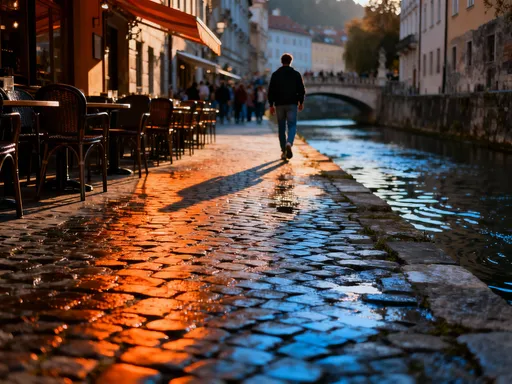
Lille has long been celebrated for its vibrant urban life. The city center pulses with energy—Flemish-inspired townhouses painted in warm ochres and deep reds line the Place du Général de Gaulle, where brasseries spill onto sunlit terraces and market stalls overflow with regional cheeses, fresh bread, and artisanal chocolates. It’s a city that invites you to slow down and savor, whether you're exploring the Palais des Beaux-Arts or browsing vintage finds in Wazemmes Market. Yet, beyond the charm of cobbled alleys and cozy cafes lies a quieter truth: Lille is not just a destination for city lovers. It’s a gateway to some of northern France’s most cherished natural landscapes.
Many travelers assume that a visit to Lille means trading wilderness for culture, trading hiking boots for stylish flats. But the reality is far more rewarding. Just a short journey from the urban buzz, a network of protected natural areas unfolds—places shaped by centuries of ecological balance and now carefully preserved for future generations. These spaces aren’t afterthoughts or mere parkettes; they are expansive, biodiverse sanctuaries where nature is allowed to thrive with minimal human interference. Recognizing this duality—the urban and the wild—transforms the way we experience Lille. It becomes not just a stop on a cultural tour, but a launchpad for mindful exploration.
The city’s proximity to these natural reserves enhances its appeal in unexpected ways. Visitors can enjoy a morning espresso in a historic square, then by midday be walking through mist-covered marshlands or coastal dunes where the only sounds are the wind and distant bird calls. This seamless blend of city and nature offers a richer, more balanced travel rhythm—one that respects both cultural heritage and environmental stewardship. For families, couples, and solo travelers alike, Lille reveals a new kind of European getaway: one where culture and conservation coexist in harmony.
Why Protected Areas Matter—Even for City Travelers
Protected natural areas are more than scenic backdrops—they are vital ecosystems safeguarded by law and community effort. Across Europe, designations like Natura 2000 sites, regional natural parks, and nature reserves ensure that fragile habitats are preserved against unchecked development and environmental degradation. These zones are not closed off; rather, they are carefully managed to allow sustainable public access while protecting native species and ecological processes. For travelers, especially those coming from urban environments, these areas offer a rare opportunity to reconnect with the rhythms of the natural world.
Biodiversity thrives in these protected spaces. Salt marshes filter pollutants and buffer coastlines against storms, while ancient woodlands support countless species of insects, birds, and mammals. In an era of climate change and habitat loss, such areas serve as living laboratories and refuges for wildlife. But their value extends beyond ecology. Studies consistently show that time spent in nature reduces stress, improves mood, and enhances cognitive function. For travelers navigating the sensory overload of city tourism—crowded streets, constant noise, digital fatigue—immersion in a quiet forest or open wetland can be deeply restorative.
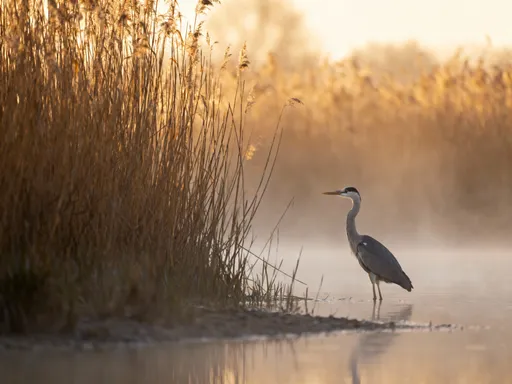
Today’s travelers are increasingly seeking meaningful, low-impact experiences. The rise of eco-conscious tourism reflects a desire to travel with purpose and responsibility. Protected areas align perfectly with this shift, offering authentic encounters with nature that do not compromise the environment. Whether it’s observing a heron stalk its prey at dawn or listening to the rustle of reeds in a breeze, these moments foster a sense of wonder and connection. They remind us that travel is not just about seeing new places, but about feeling part of something larger.
For families, these spaces offer safe, educational environments where children can learn about wildlife and conservation firsthand. For older travelers, they provide gentle walking routes and serene settings conducive to reflection. Even for those who consider themselves city dwellers at heart, a brief immersion in nature can be surprisingly grounding. The key is accessibility—knowing that such places exist near urban centers, and that visiting them supports their long-term protection. When travelers choose to explore protected areas, they become allies in conservation, not just observers.
Discovering the Regional Natural Park of the Caps et Marais d’Opale
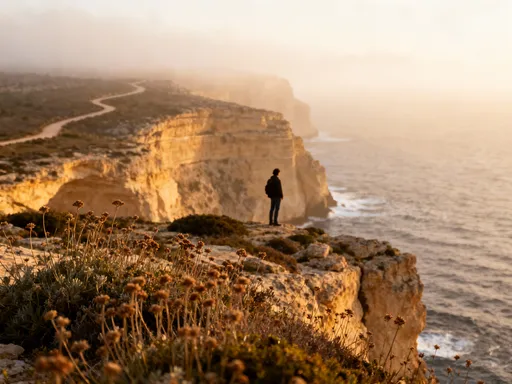
One of the most remarkable natural escapes within reach of Lille is the Parc naturel régional des Caps et Marais d’Opale. Located about 1.5 hours away by train, this protected coastal landscape stretches along the English Channel, encompassing dramatic chalk cliffs, rolling dunes, and vast salt marshes. Established in 1987, the park spans over 180 square kilometers and is recognized for its ecological significance, hosting more than 200 bird species and rare plant communities adapted to saline soils and sea winds.
The park’s name reflects its dual character: “Caps” refers to the coastal headlands, including the iconic Cap Gris-Nez and Cap Blanc-Nez, which offer sweeping views of the Strait of Dover. On clear days, the white cliffs of England are visible across the water, a reminder of how close France and Britain truly are. “Marais” points to the extensive marshlands that serve as critical habitats for wading birds like avocets, redshanks, and curlews. These wetlands are especially active during migration seasons, drawing birdwatchers from across Europe with the promise of rare sightings.
Visitors to the park can follow a network of well-marked trails that wind through dune systems, grasslands, and tidal flats. One of the most rewarding experiences is arriving at Cap Blanc-Nez early in the morning, when the rising sun paints the chalk face in soft gold and the sea glimmers below. The air is crisp, the silence profound. Along the way, interpretive signs explain the geology, flora, and fauna of the region, enriching the journey with context. Local guides occasionally lead quiet walks focused on conservation, emphasizing the importance of staying on paths to avoid disturbing nesting birds or fragile plant roots.
The park also supports sustainable agriculture and traditional fishing practices, integrating human activity with environmental care. Small villages within the park, like Audresselles and Ambleteuse, offer charming inns and seafood restaurants where visitors can enjoy fresh mussels, oysters, and Dover sole—often harvested locally. These communities depend on the health of the surrounding ecosystem, creating a powerful incentive to preserve it. By visiting responsibly, travelers contribute to this delicate balance, supporting both conservation and local livelihoods.
The Quiet Beauty of the Haute Vallée de la Lys
Further southeast of Lille, nestled between rolling hills and meandering waterways, lies the Haute Vallée de la Lys—a regional nature reserve that feels worlds away from urban life. This protected river valley follows the upper course of the Lys River, which flows gently through pastures, woodlands, and hedgerows that have stood for generations. Designated as a Natura 2000 site, the area is home to otters, kingfishers, and numerous bat species, all thriving in a landscape carefully managed to prevent pollution and habitat fragmentation.
Walking or cycling along the riverbanks, one is struck by the stillness. The water moves slowly, reflecting the sky and overhanging willows. Butterflies flit between wildflowers, and dragonflies hover above the surface. In spring, the meadows burst with color—yellow buttercups, purple loosestrife, and delicate orchids carpet the grasslands. This is not a manicured park but a living, breathing ecosystem where natural processes unfold without interference. The reserve’s management prioritizes minimal intervention, allowing the river to meander and flood naturally, which in turn supports rich soil and diverse plant life.
Several well-maintained trails and cycling paths follow the river, making the area accessible to visitors of all ages and fitness levels. One popular route connects the villages of Laventie and Fauquembergues, passing through quiet hamlets and across stone bridges. Along the way, benches invite pauses, and informational panels describe the ecological importance of wet meadows and riparian buffers. For families, it’s an ideal place for a relaxed day outdoors—children can spot frogs in shallow pools, while adults appreciate the absence of traffic and noise.
What makes the Haute Vallée de la Lys truly special is its sense of timelessness. There are no crowds, no souvenir shops, no loud announcements—just the quiet hum of nature. It’s easy to imagine this landscape unchanged for centuries, a hidden corner of France where the pace of life aligns with the seasons. For travelers seeking respite from the fast tempo of modern tourism, this reserve offers a rare gift: the chance to simply be, undistracted and at peace.
Green Lungs Close to Home: Parc de la Deûle and Its Protected Wetlands
For those who prefer a shorter journey, the Parc de la Deûle offers a remarkable natural escape just minutes from Lille’s city limits. Spanning over 600 hectares, this expansive green corridor follows the Deûle River and its network of canals, creating a mosaic of wetlands, reed beds, woodlands, and meadows. Though close to urban development, the park functions as a vital ecological buffer, filtering water, supporting biodiversity, and offering residents a daily dose of nature.
Unlike typical city parks, Parc de la Deûle is managed with conservation as a top priority. Sections of the wetlands are designated as protected zones, where public access is limited to boardwalks and designated trails. These areas serve as sanctuaries for wildlife, including the elusive European otter, which has made a quiet comeback in recent years. Birdwatchers regularly spot kingfishers, herons, and marsh harriers, while dragonflies and damselflies dart above the reeds in summer. The park is also a stopover for migratory birds, making it a dynamic destination year-round.
Visitors can explore the park by foot, bike, or even by electric boat along the canal. The network of flat, well-paved paths makes it ideal for strollers, cyclists, and those with limited mobility. Early mornings are especially serene, when mist rises from the water and the first light filters through the trees. It’s common to see locals walking dogs, jogging, or simply sitting on benches with a book—engaging with nature as part of their daily rhythm.
What sets Parc de la Deûle apart is its integration into everyday life. It’s not just a weekend destination but a living part of the community’s well-being. Schools organize nature walks here, and local environmental groups lead clean-up events and biodiversity surveys. The park demonstrates how urban and natural spaces can coexist, offering both ecological benefits and emotional nourishment. For a traveler spending a few days in Lille, a visit to this park is not just a side trip—it’s a window into how cities can harmonize with nature.
How to Visit Responsibly—Leave No Trace, Take Only Memories
With growing interest in nature-based travel, the need for responsible tourism has never been greater. Protected areas are resilient, but they are not indestructible. Foot traffic, litter, noise, and off-trail exploration can disrupt wildlife, erode soil, and degrade habitats over time. Fortunately, small, mindful choices can make a big difference. The core principle is simple: leave no trace, take only memories, and respect the space as a shared treasure.
Staying on marked trails is one of the most effective ways to minimize impact. These paths are designed to protect sensitive areas while offering safe access. Venturing off-trail, even to get a better photo, can damage plant roots, disturb nesting animals, or accelerate erosion. Similarly, avoiding litter—especially plastics—is essential. Carrying a small bag for trash and recycling ensures that nothing is left behind. Even organic waste like apple cores or banana peels should be packed out, as they can introduce non-native species or attract animals to human food sources.
Respecting wildlife means observing from a distance. Using binoculars or a zoom lens allows for intimate views without intrusion. Feeding animals, however well-intentioned, can alter their natural behaviors and diets. Quiet activities like birdwatching, sketching, or journaling are not only low-impact but also deepen the experience, encouraging patience and presence. Loud music, large group gatherings, or drone use should be avoided, especially in sensitive zones.
Timing matters, too. Visiting early in the morning or during the off-season reduces crowding and minimizes stress on the environment. It also increases the chances of witnessing wildlife in their natural routines. Finally, choosing sustainable transportation—such as trains, buses, or bicycles—reduces carbon emissions and aligns with the values of conservation. Many of the areas near Lille are accessible by public transit, making eco-friendly travel both practical and rewarding.
Why This Changes the Way We Travel
The discovery of wild escapes near Lille does more than expand a travel itinerary—it reshapes our expectations of what a city break can be. No longer must we choose between culture and nature, between museums and mountains. The best journeys are those that balance both, offering richness in experience and depth in connection. When we blend urban exploration with quiet walks through protected landscapes, we create trips that are not only enjoyable but nourishing for the soul.
These nearby natural areas are more than just scenic diversions—they are essential components of sustainable tourism. They remind us that cities do not exist in isolation, but are part of larger ecological systems. By protecting and promoting access to these spaces, we support biodiversity, mental well-being, and community resilience. They are undervalued assets, often overlooked in favor of distant national parks or exotic destinations. Yet, their proximity makes them uniquely accessible, especially for families, older travelers, and those with limited time.
There is also a quiet power in knowing that conservation is happening close to home. When travelers see thriving wetlands, clean rivers, and diverse birdlife just beyond the city limits, they are more likely to support environmental protection in their own communities. These experiences foster a sense of stewardship—a recognition that nature is not something ‘out there,’ but a shared inheritance that requires care.
Looking ahead, the future of travel lies in this balance: honoring culture while protecting nature, embracing innovation while preserving quiet. Lille offers a model of how cities can serve as gateways to both. Its hidden wild escapes are not secrets to be hoarded, but invitations—to slow down, to listen, to notice. They call us to travel with intention, to seek not just sights, but silence; not just movement, but meaning. And in that shift, we find not only better trips, but better ways of being in the world.